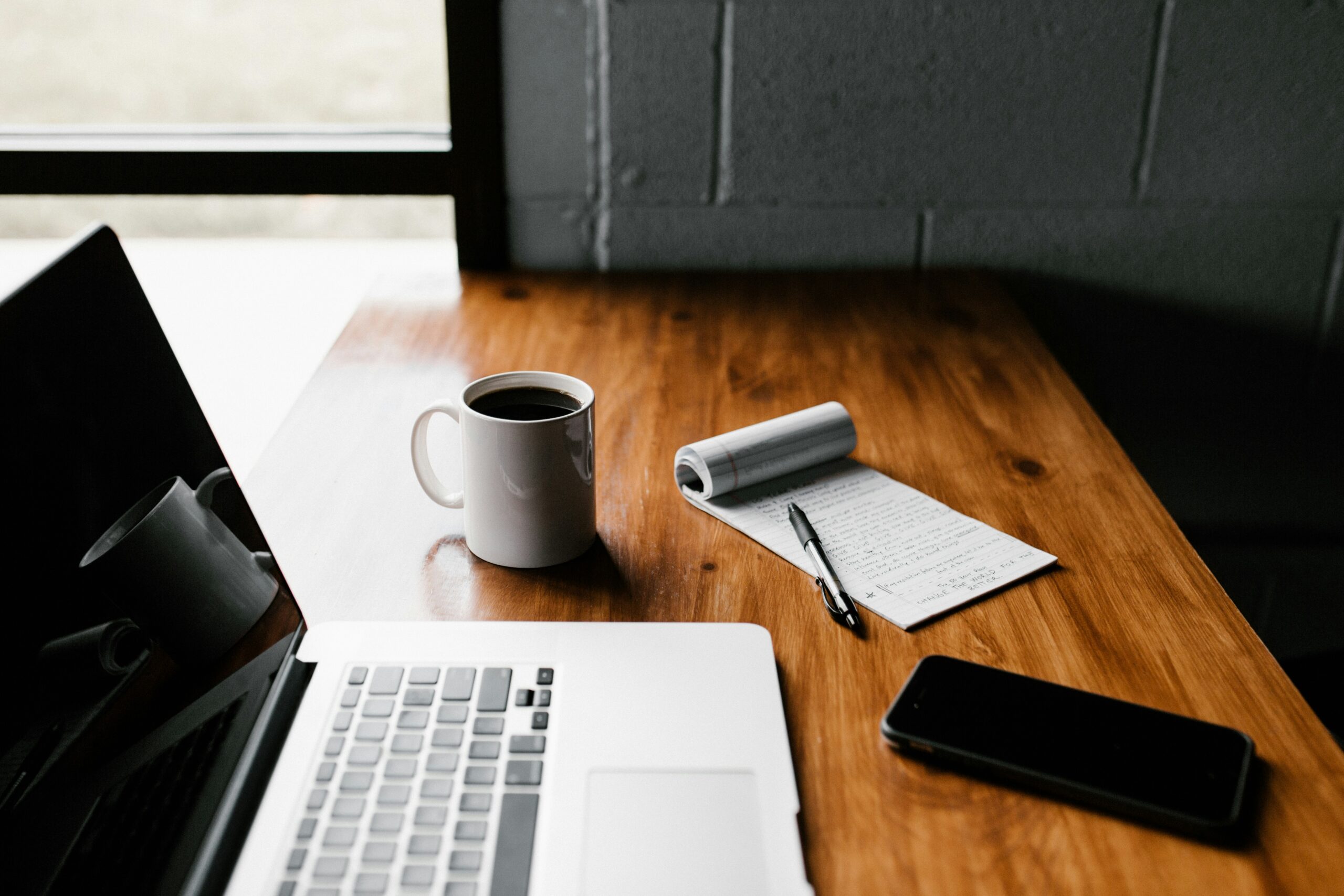
The practice of BUSINESS “single-tasking”, savoring everyday rituals (like drinking coffee or going for a walk), and learning to be – fully – in the moment. Single-tasking is the practice of giving your full attention to one task at a time until you complete it or reach a planned stopping point.
The trend has grown because people are pushing back against constant notifications, endless scrolling, and the pressure to always be “on.”
Research has shown that what most people call multitasking is usually task switching. Your brain jumps between activities, which reduces focus and increases mistakes.
Many use single-tasking to improve productivity, lower stress, and produce better quality work.
Why it works
Your brain pays a cost every time it switches tasks.
Studies have found that:
- It can take several minutes to fully regain focus after an interruption.
- Frequent task switching increases errors.
- Deep, uninterrupted work leads to better creativity and problem solving.
- Focusing on one task often reduces mental fatigue because your brain is not constantly changing gears.
How to single-task
1. Choose one priority
Ask yourself:
“What is the most important thing I need to finish in the next hour?”
Write down only that task.
Examples:
- Write one report.
- Edit one video.
- Clean one room.
- Read one chapter.
2. Remove distractions
Before you begin:
- Put your phone on Do Not Disturb.
- Close extra browser tabs.
- Turn off email notifications.
- Keep only the files you need open.
Make distraction the exception instead of the default.
3. Set a time block
Work in focused sessions.
Good options include:
- 25 minutes of work and a 5-minute break.
- 45 minutes of work and a 10-minute break.
- 60 to 90 minutes for work that requires deep concentration.
During that block, work only on your chosen task.
4. Keep a distraction list
When another thought pops into your head, don’t stop working.
Instead, write it on a notepad.
Examples:
- Reply to Sarah.
- Pay electricity bill.
- Buy dog food.
Return to your main task immediately.
5. Finish before switching
Try to:
- Complete the task.
- Finish a logical section.
- Reach your planned stopping point.
Avoid switching just because you feel bored.
6. Take real breaks
When your session ends:
- Stand up.
- Stretch.
- Walk outside.
- Drink water.
Avoid opening social media during short breaks because it can make it harder to refocus.
Common mistakes
- Checking email every few minutes.
- Keeping messaging apps open.
- Watching TV while working.
- Switching tasks whenever one becomes difficult.
- Starting new projects before finishing current ones.
A simple daily routine
Morning
- Pick your three most important tasks.
- Start with the hardest one.
During work
- Focus on one task at a time.
- Silence notifications.
- Record distractions instead of acting on them.
End of the day
- Review what you finished.
- Choose tomorrow’s first task.
Who benefits most?
Single-tasking is especially useful for:
- Writers
- Students
- Designers
- Video editors
- Programmers
- Executives
- Anyone who spends long hours on a computer
The bottom line
Single-tasking is not about working slower. It is about reducing unnecessary mental switching so you can produce better work in less time. Spending 60 focused minutes on one important task often accomplishes more than three hours of fragmented attention interrupted by email, messages, and social media.
Photo Credit: Andrew Neel